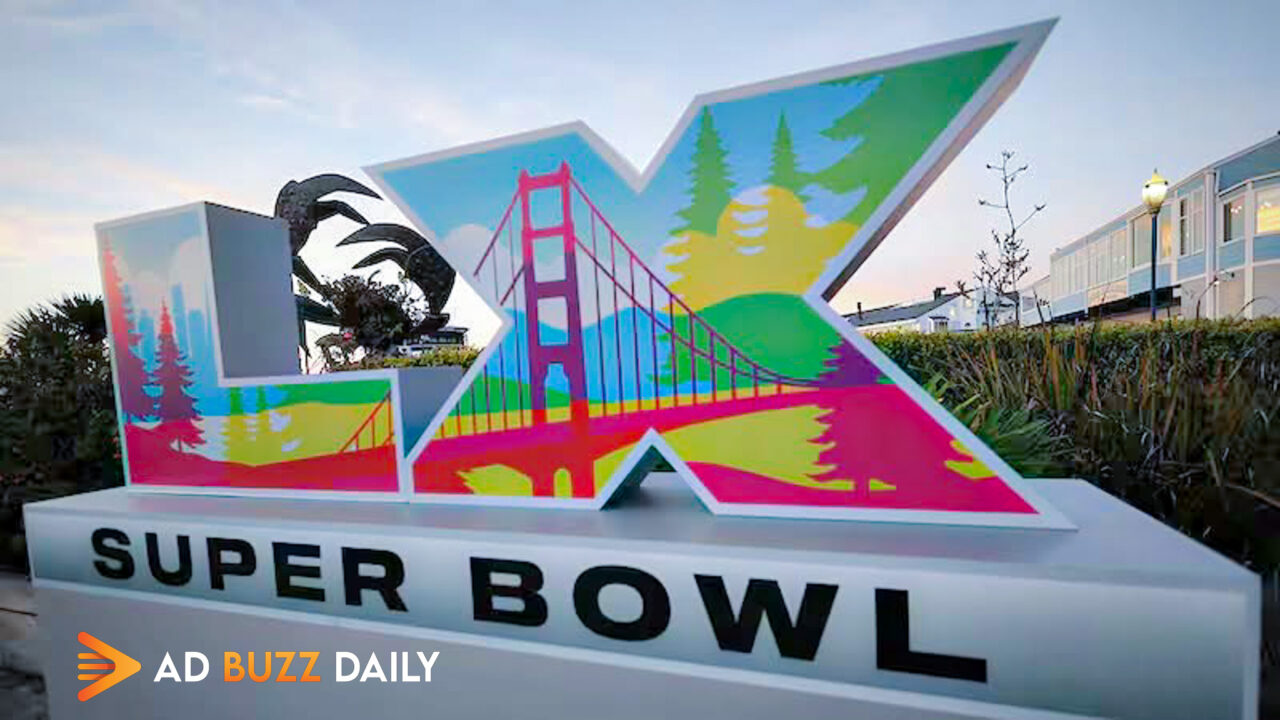


Super Bowl LX Shows What Happens When Brands Lean Too Hard on AI Ads
Artificial intelligence ads showed up at the Super Bowl and dominated the night, Many viewers who watched the game were not thrilled about it.
After last year’s wave of AI themed ads, Super Bowl LX went even further, with brands using artificial intelligence not only to create commercials but also to promote AI powered products. Some estimates suggest that about 23 percent of this year’s ads either used AI in production or directly promoted AI tools. What started as a trend during Super Bowl LVIII became the defining theme of Super Bowl LX.
Though many of those ads missed the mark just like The Patriots did during the entire game.
For an event long associated with beer brands, snack foods and blockbuster movie trailers, this shift felt bigger than a creative experiment. It showed just how deeply AI has moved into marketing and how the biggest advertising stage in the country is being used to normalize it. Svedka Vodka leaned in fully, commissioning what it described as largely AI generated advertising for its “Shake Your Bots Off” campaign using Silverside AI.
Dunkin used AI to digitally de-age actors from popular 1990s television shows, leaning into nostalgia by quite literally turning back the clock. This is ironic as last year at the Super Bowl, AdBuzzDaily heard from Gen Z marketers and reporters who said they were tired of seeing older celebrities dominate these ads. The same can be said for this year as we heard from many who attended that gave us insight that this may be the beginning of the AI bubble that will slowly burst.
Wearable tech also had a strong presence. Oakley Meta promoted its AI enabled glasses featuring elite athletes and highlighted what it called athletic intelligence. Google showcased its Gemini platform with a focus on creativity and home planning, while Pixel 8, Etsy and Microsoft Copilot ads emphasized AI driven search and content tools. Ring’s promotion of its neighborhood watch search party AI service sparked backlash over surveillance concerns and was eventually pulled after negative reactions.
Brad Hoos, CEO of The Outloud Group, said the industry is still in the early innings of understanding how audiences feel about AI’s rapid expansion into advertising. At this stage, he noted, it is difficult to diagnose the root of the backlash.
“The noise is loud and it’s up to the marketing industry to weed through the noise that the Super Bowl blowback offered and understand what’s really happening,” said Hoos. “For now, we don’t know that answer. But what we do know is that change has unequivocally arrived.”
Not all AI moments were purely promotional. Anthropic’s Claude ran a spot criticizing ChatGPT’s decision to include ads, turning the Super Bowl into a rare public battleground for competing AI companies. A widely discussed ad featuring Matthew Broderick showed workers relying heavily on AI tools, and while intended to be lighthearted, it struck some viewers as unsettling given ongoing labor market uncertainty.
Perhaps most telling was who did not show up. Traditional Super Bowl staples like Doritos, Toyota, and Nike were absent and chose to go second screen. DoorDash and Skittles also did the same thing. Instead of chips, cars, and candy, viewers were presented with chatbots, smart glasses and generative tools. Super Bowl ads have long reflected where brand dollars and cultural attention are headed.
This year made one thing clear: AI is no longer a novelty as it is being positioned as infrastructure, and brands are betting that relevance in 2026 means aligning with it whether audiences are ready or not.
Khari Streeter, Chief Creative Officer at Burrell Communications Group, says the ad industry is in a high-stakes AI race. Brands face a delicate balance: move too aggressively with AI and risk alienating consumers; move too slowly and risk becoming irrelevant. AI remains polarizing, praised for efficiency but criticized for producing low-quality, “slop” content.
Streeter added success depends on understanding the purpose behind using AI. Some brands lean into spectacle or shock value, while others use it more strategically. He points to examples where brands made bold creative choices, while others took a more concept-driven approach, treating AI as a controlled, carefully crafted tool rather than the centerpiece.
“You feel this nuanced application in the Spike Lee-directed spot. It amplified both the appeal and the product’s benefits. Great ideas rule and last. Dancing robot avatars may have novelty, but do they build belief? I believe mastery of A.I. will come from learning while doing, but A.I. didn’t miss the mark in the 2026 Super Bowl. Ideas and insights make meaningful connections, not technology.”
