


How DoorDash Turned 50 Cent’s Rap Beef Into a Cultural Super Bowl Strategy
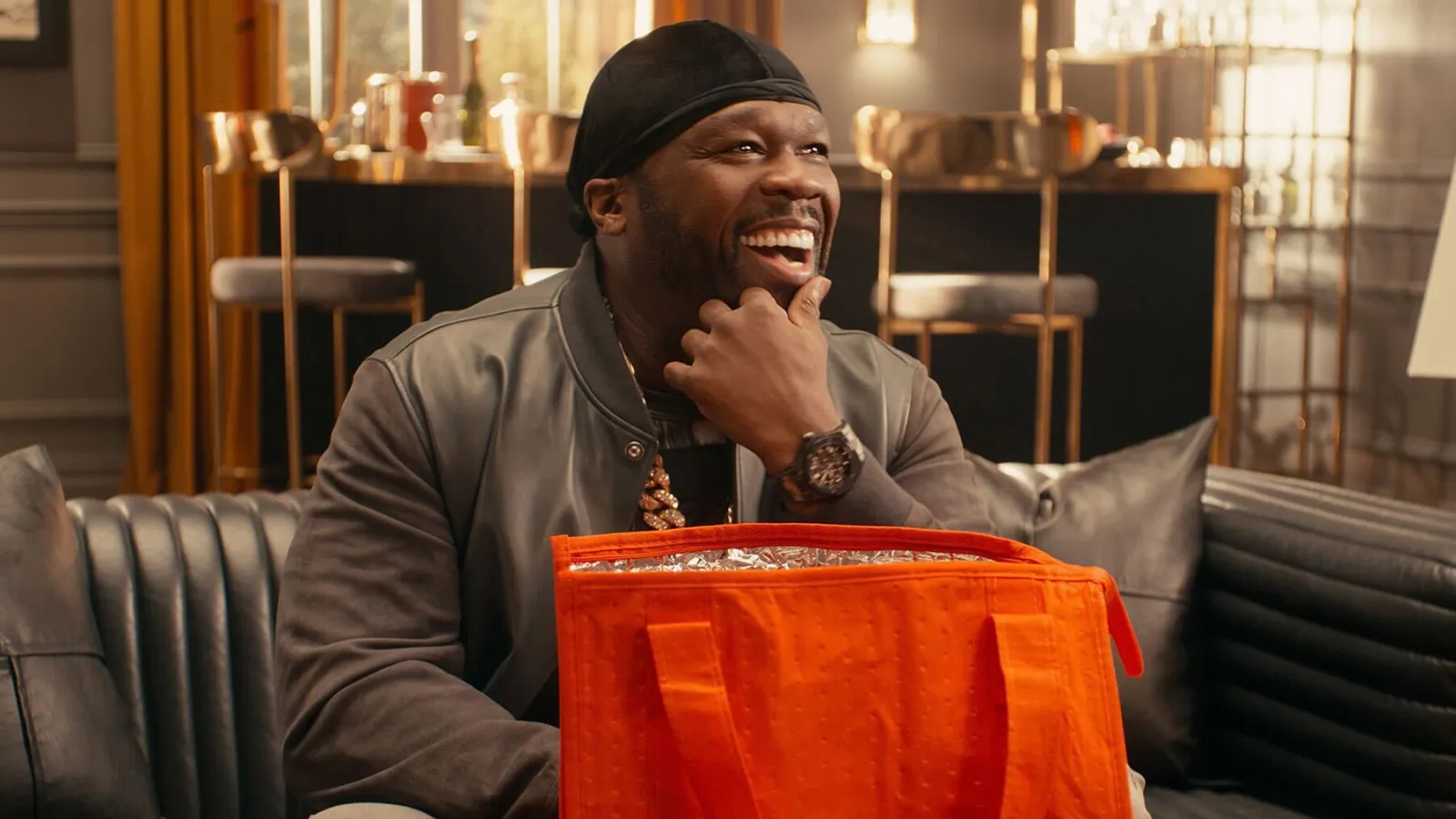
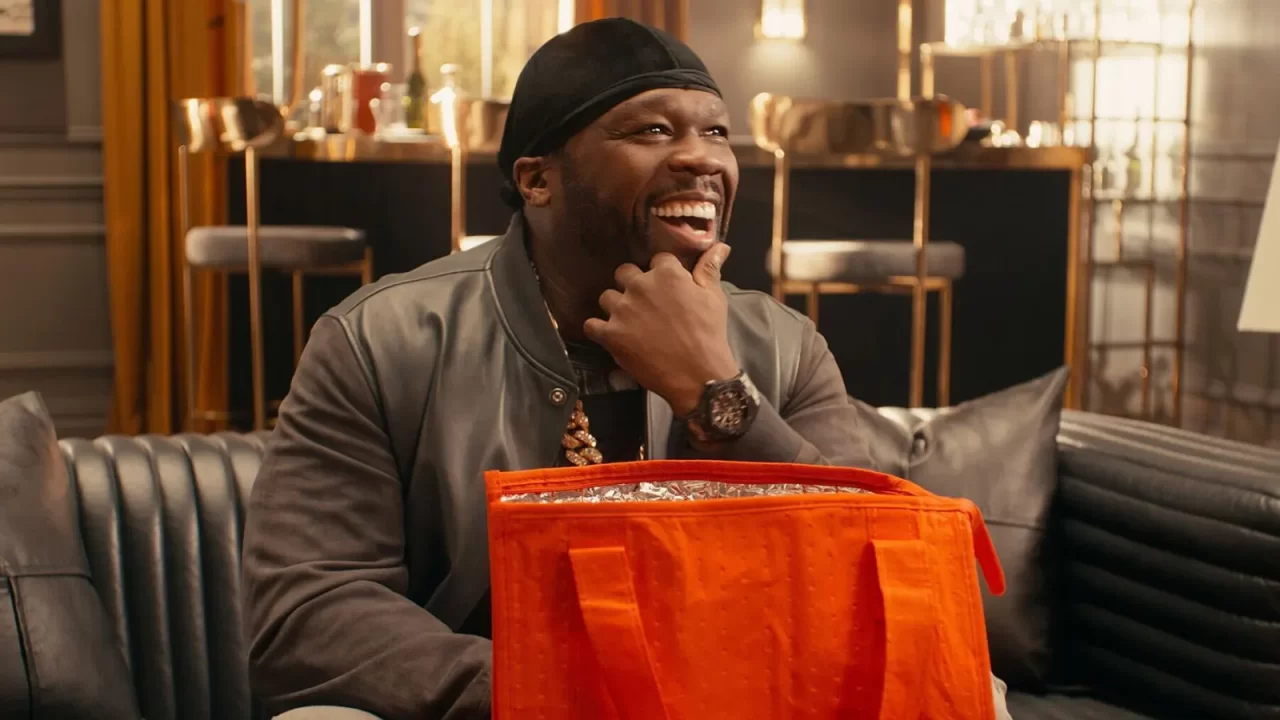
Anyone who knows 50 Cent understands that he’s a mastermind when it comes to social media trolling, on top of being a multi platinum selling artist and successful television executive. What he is also known for are his historic beefs in the music industry. DoorDash saw this and partnered with 50 Cent for its social media focused Super Bowl ad that debuted a few weeks back to tap into the Gen Z audience.
The brand wanted to bring the beef to the front door The broader social partnership, dubbed “The Big Beef,” centered on the cultural truth that today’s Big Game rivalries play out just as fiercely online. 50 Cent served as both commentator and instigator, playfully breaking down opposing teams into “frenemy” territory while embedding subtle nods for fans paying close attention.
The short-form video spots rolled out across TikTok, Instagram, X, and YouTube Shorts, maximizing reach where real-time sports commentary thrives. In a tactical post-game move, the brand released an additional video within minutes of the Super Bowl’s conclusion. In it, 50 Cent humorously reacted to the New England Patriots loss, offering a localized 50 percent discount as a call to action.
Zaria Parvez, Director and Head of Social at DoorDash, said the idea of partnering with 50 Cent around the concept of “beef” felt culturally intuitive from the start. Few artists have shaped and owned the idea of public rivalries in pop culture the way he has, she noted, making the campaign more than simple wordplay but instead grounded in a cultural truth he helped define.
Parvez described the effort as a true collaboration. DoorDash developed the strategic framework, while 50 Cent contributed self-awareness and humor that made the work feel authentic. She added that the brand’s goal was to participate in cultural conversations rather than interrupt them.
“We want to demonstrate that we understand how people engage with moments today: socially, collectively, and with a sense of humor,” said Parvez. “It reinforces DoorDash as a brand that’s culturally fluent and built for how people experience major events now.”
The campaign incorporated subtle references to some of 50 Cent’s most well-known rivalries, including those involving Floyd Mayweather, Ja Rule, and Diddy, as a deliberate creative choice by DoorDash.
DoorDash’s intention with the partnership was to reward longtime fans who understand the deeper layers of 50 Cent’s career and cultural impact. The Easter eggs were designed as subtle nods rather than obvious callbacks, allowing the moments to feel authentic and organic. The brand noted that 50 Cent’s input was instrumental in shaping these details, so they remained playful and self-aware rather than forced. When the idea arose for him to wear the now infamous suit from his appearance on Good Morning America, he immediately agreed.
DoorDash aimed to create memorable cultural moments that audiences could recognize and enjoy. The financial agreement between the parties was not disclosed.
The campaign was also a reminder of the way 50 Cent still struck a chord with young people, as did he with Millennials when he rose to prominence between 2002 and 2009. His familiarity with Gen Z’s language as well as internet culture required little adjustment. Zaria said that instructions for Gen Z slang were not needed as 50 Cent’s longevity stems from his cultural awareness and consistent engagement across platforms, allowing him to understand and adapt to evolving digital conversations in real time.
“We weren’t trying to make him speak ‘Gen Z,’ We wanted him to be himself,” said Parvez. “He loves posting on his social media, so he keeps up with what’s new.”
DoorDash wasn’t the only brand that opted to take a backseat in advertising on the big screen during the Super Bowl this year. Dollar Shave Club missed the big screen because the network wanted the brand to censor its ad, and Skittles debuting their ad at someone’s house are another example of brands doing this since they know their audience were also scrolling on social media when the big game was on. The Super Bowl isn’t a single screen event anymore as it’s a multi-screen cultural event. The target audience are watching, live-posting, reacting, and meme-ing simultaneously.
“With a campaign centered on ‘beef,’ it felt natural to bring it to the platform where beef actually plays out: social media,” said Parvez. “Rather than compete for attention in a traditional broadcast environment, we leaned into where conversation and participation are happening in real time.”
