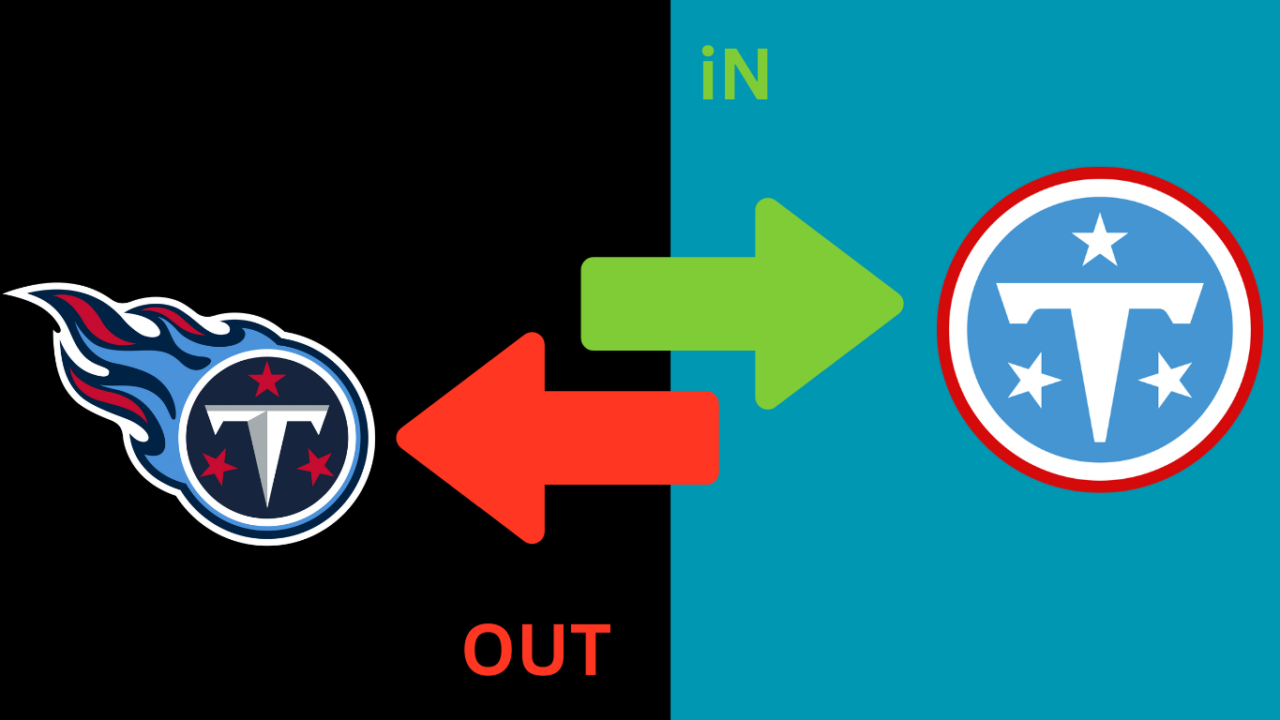

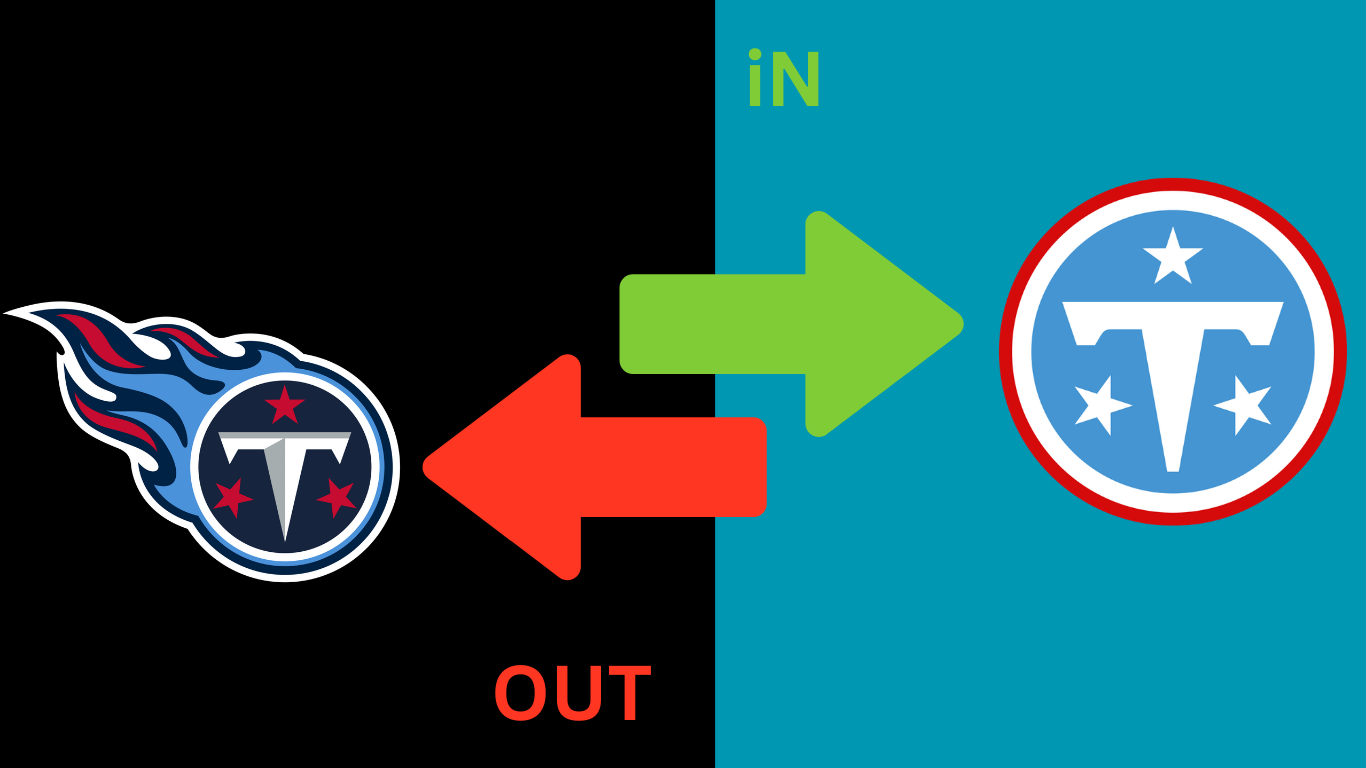
The Tennessee Titans went viral over the weekend with its rebrand strategy ahead of the upcoming NFL Season.
It was more than just a plain old logo change as the Titans presented its rebrand as a cultural reset to bring new energy to the team while also paying homage to its original uniform colors when it was the Houston Oilers. Back in Feburary, the team began teasing the rebrand on its Instagram and X pages. Then on March 12, the team launched a series of high-quality and production videos to showcase the new logo and uniforms.
The reveal was livestreamed and it featured Cam Ward and Jeffrey Simmons as they also reacted to seeing the uniforms for the first time. The Titans turned their new look into a city-wide event by making gear available everywhere the moment it was announced. Instead of waiting weeks for shipping, the team opened immediate pop-up shops at popular local hangouts like The Factory at Franklin and SoHo House.
This created a sense of urgency, drawing massive crowds to the stadium store where fans lined up for hours to grab the first jerseys and hoodies. By getting the new logo into people’s hands instantly, the team shifted the conversation from a simple name change to a shared community experience. Especially since fans of the Titans want to have their merchandise ready before the NFL Draft.
Along with high-end apparel, the team gave away free yard signs at local spots like Ole Smoky Distillery, turning residential neighborhoods into a sea of new branding. By flooding the streets with the new shield logo so quickly, the Titans successfully pushed past twenty years of old imagery and united the fanbase under a single, fresh identity.
Theresa Ferguson, Chief Marketing Officer of AithELITE and President of the Marketers Group, said the rollout across multiple touchpoints turned the launch into a fan-driven experience. The Tennessee Titans positioned their brand as something rooted in the community, extending beyond merchandise or on-field visuals.
“What stands out to me about this rebrand is that the Titans treated it like a full storytelling moment rather than simply a design update. Often marketers or teams will unveil a new logo and drop it on social media, expecting excitement to follow,” said Ferguson. “The Titans clearly understood that a brand only becomes meaningful when people feel connected to the story behind it. They launched a fully integrated marketing campaign with a clear strategy and timeline behind it and their execution reflected that planning exceptionally well.”
By approaching the rebrand with that level of intention, it strengthened fan engagement and signaled the start of a new chapter, while giving fans a sense of participation in the franchise’s evolution.
According to the social media analytical platform Hootsuite, The Tennessee Titans rebrand generated more than 21 million impressions and over 732,000 engagements across social platforms over the course of four days, with X driving the largest share of real-time reach and conversation, accounting for an estimated 8 to 10 million impressions and up to 300,000 engagements. Instagram emerged as the contributed a comparable 250,000 to 300,000 interactions through visually driven content, while Facebook added scale with roughly 4 to 5 million impressions.
Deven Nongbri, a marketing executive at Top Yeti Advisory and former NFL sponsor, said the Tennessee Titans succeeded through strong emotional resonance. By leaning into “Luv Ya Blue,” the team created a strategic bridge between generations rather than relying on nostalgia alone. From a brand perspective, Nongbri described the effort as one of the most ambitious recent NFL identity refreshes, noting it went beyond a uniform change to a full narrative reset anchored in Oilers heritage, modernized visuals, and timing aligned with a new stadium era.
“Compared to other recent NFL rebrands (thinking of the Cardinals, Lions, Browns), the Titans went further and took bigger swings. This is closer in scale to what Washington did with the Commanders, but with a much stronger heritage backbone,” said Nongbri. “Overall, the rollout was well‑executed, well‑timed and clearly guided by a unified brand strategy.”
The Tennessee Titans declined a request for comment on this story.
