

NFL Draft Prospects Share Which Brands They Want to Partner With
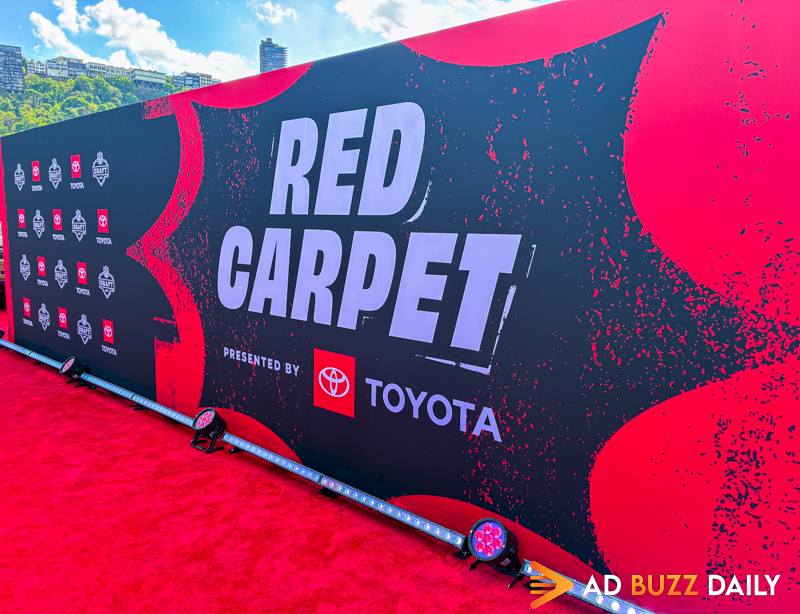
The NFL Draft kicked off with its red carpet event that was sponsored by Toyota. The talk of the town was all of the prospects that showed up.
They arrived dressed like they already belonged on billboards. Tailored suits, bold accessories, and the kind of confidence that comes from knowing millions are watching. At the 2026 NFL Draft, the spotlight extended far beyond football. For this new class of prospects, image carries just as much weight as on-field performance.
While most conversations during draft week revolve around team fits and projections, AdBuzzDaily took a different approach by asking players about potential brand partnerships. The answers revealed a major shift in how young athletes are thinking about their careers as these prospects are not waiting to become stars before considering endorsements. They are already thinking like brands themselves.
This moment comes five years after the introduction of Name, Image, and Likeness rules, which changed the landscape of college athletics. The 2026 NFL Draft class is the first group to spend their entire college careers in the NIL era. That experience shows. Players speak the language of marketing, understand positioning, and recognize the value of aligning with the right companies.
Jordan Tyson, selected eighth overall by the New Orleans Saints, kept his options open but still pointed to Nike as a dream partnership. His answer reflects the continued power of legacy brands, even as new opportunities emerge like Tyson Foods, “I am really open to anything, but if I had to pick one, it would be Nike,” said Tyson.
Colton Hood, selected by the New York Giants, brought a more personal angle, mentioning Chrome Hearts with a mix of admiration and humor, noting the price point and hoping for a discount. That kind of response highlights how lifestyle brands are entering the conversation alongside traditional sports sponsors.
“Chrome Hearts is a little expensive, you know what I’m saying? So I kind of want a little discount,” said Hood.
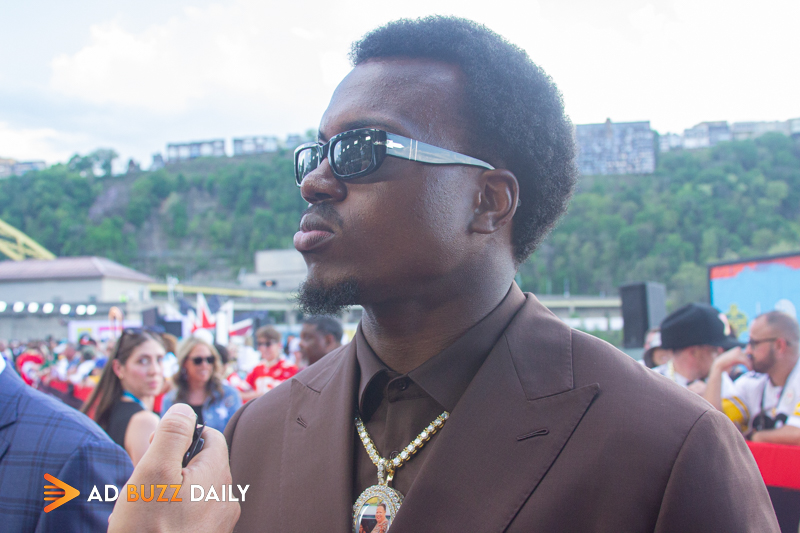
Rueben Bain Jr., selected by Tampa Bay Buccaneers, already has a relationship with Adidas and is looking to build on it. He also mentioned interest in Ralph Lauren and The North Face, showing a clear awareness of how different brands can shape different parts of his identity. His comments about wanting to represent something bigger than himself point to a broader understanding of influence.
“Honestly, anything I can help with, I’d be great for the world. But I know the little kid and me to be like, honestly, be so happy to be the face of a brand and just saying, ‘I’m sponsoring a partner.’ So anybody who’s gonna come over and take over.”
It also raises the stakes. Players are now responsible for managing their image earlier than ever. Every decision carries long term implications, from the brands they align with to the messages they support. The pressure to perform extends beyond game day and into every public appearance.
“The old playbook was simple: get drafted, become a star, then land the endorsements,” said Allen Adamson, Co-Founder and Managing Partner, Metaforce. “Social media blew that timeline up and today’s rookies built their brands before they built their pro résumés, which means they’re not chasing Nike or Adidas. Nike and Adidas [are now chasing them].”
Sonny Styles, now with the Washington Commanders, looked toward Gatorade. He referenced the brand’s iconic storytelling and the emotional pull of its campaigns. His perspective shows how younger athletes are inspired by marketing as much as by competition.
“You always see those inspirational ads and, like the color-sweat driven stuff, like, so to be able to be one of those commercials would be awesome, but I have a long way to go before I do that.”
What stands out across these conversations is how natural this all feels to them. There is no hesitation when talking about brand alignment. No learning curve when discussing partnerships. NIL has created a generation of athletes who understand that their value extends beyond the field. However, these NIL deals might get affected as they could only go for five years starting this summer.
“Unlike years past, by the time players are drafted to the NFL, brand partnerships aren’t new to these athletes,” said Tori Stein, Marketing Director of True Media “Through NIL they are learning about how to marry these sponsorships with their personal brands, and seeing the value in authentic storytelling. Athletes are recognizing the duality in who they are, wanting to highlight their on-field success with partners like Nike and Gatorade, while also leading into the authentic storytelling of who they are off the field, whether that be their interest in fashion or specific hobbies.”
This shift matters because it is redefining the relationship between sports and marketing. Athletes are entering professional leagues with fully formed personal brands. Companies no longer need to build recognition from scratch. They are stepping into partnerships with players who already have audiences, identities, and expectations.
Michael DaRe, President of SMARTS US, pointed out that every brand the athletes mentioned has been culturally relevant for over fifty years. To him, that is not random, it shows these prospects are naturally filtering toward brands that have real staying power, not just what is hot right now.
“Athletes are a mirror. The brands they gravitate toward tell you exactly what the next generation of consumers values, and how far ahead of the marketing cycle culture is already moving,” said DaRe, adding that if brands want to be in the mix, they need to build cultural equity instead of just chasing visibility.
The brands mentioned in this story did not respond to a request for comment.
