


OpenAI is Betting on Ads as the Gamble Could Pay Off Big or Backfire
It has only been a few years since OpenAI launched ChatGPT and if you looked into a crystal ball in 2022 to see that it would launch ads within 5 years, many would have not guessed it.
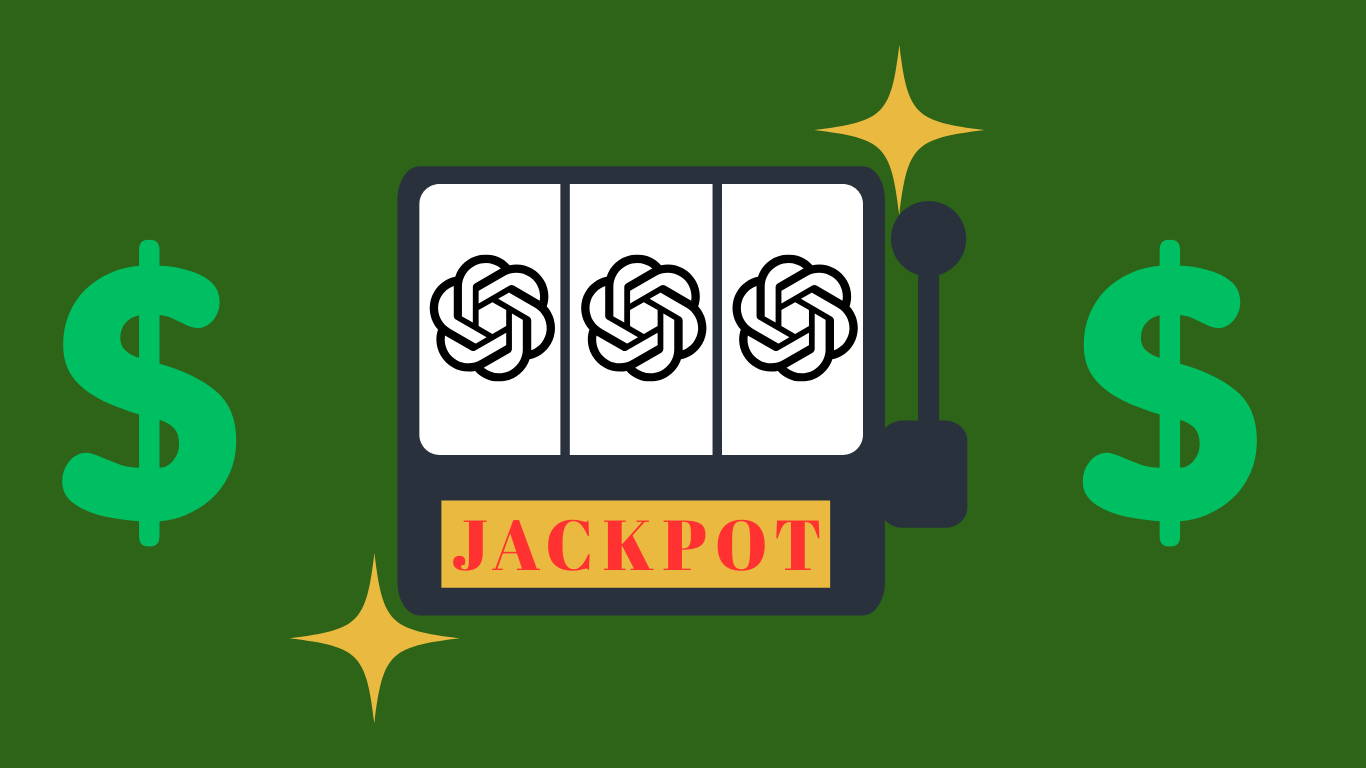
Well, it is now happening as OpenAI will begin testing ads on ChatGPT soon. This comes as the company has been bleeding money faster than a Mike Tyson knockout on the first round. How fast, you ask? Well, according to a report from The Information, internal OpenAI documents suggest the company could be staring at a massive $14 billion loss in 2026.
But wait, there’s more! OpenAI is reportedly expected to keep racking up big losses, totaling around $44 billion through the end of the 2020’s decade. The upside? By then, it’s not just supposed to break even, but actually pull in Nvidia-level revenues. To put that $14 billion 2026 loss in perspective, it’s said to be about three times worse than what early estimates had projected for 2025.
So how will these ads actually work? They won’t be mixed into the AI’s replies. Instead, they’ll show up as clearly labeled, separate sections, usually placed below the chatbot’s answer. The ads will be triggered by what you’re talking about in the moment, not by long term tracking across conversations. For instance, if you ask about hotels or the best places to eat in Las Vegas, you might see a sponsored listing from a travel booking service or recommended restaurants. At first, the ads will be text based, with room to expand into search style results, interactive formats, or product recommendation carousels for e-commerce, similar to Google Shopping.
launching ads in ChatGPT is the next logical step for OpenAI. Though marketers suggest that it is too little and too late.
Commenting on OpenAI’s move to launch ads, David Berkowitz, founder of High Caliber AI, said it is far from too late to pursue an advertising model. Berkowitz added that while companies like Google and Facebook leaned on ads early, they did not start out with subscription-based products. Subscription businesses, he explained, typically offer more predictable revenue than ad-supported models, since growth, churn, and revenue per user are easier to measure.
“Ads were [always] going to come for AI,” said Berkowitz. “It’s too obvious a revenue stream, and it’s easy to create such ad formats in ways that consumers may not love but are at least used to.”
New consumer data shows why OpenAI’s upcoming move into ads could be a tricky balancing act for brands. Earlier this month, Salesforce reported that AI influenced $262 billion in holiday sales, about 20% of all retail revenue, with shoppers coming from AI-powered tools like ChatGPT converting nine times more often than those from social media.
Even though AI recommendations aren’t actually ad-driven yet, 78% of consumers already think advertisers influence them. If ads start showing up, 67% say they’d trust AI recommendations less, and 57% say they’d blame the brands running the ads, not just OpenAI or the platform.
JZ Tay, founder of WFH Alert, described the ads as a fundamentally different kind of inventory for marketers. Jay also said they are high-intent and native to conversation, designed more for performance experimentation while remaining highly brand-sensitive. Tay added that, due to their limited supply, OpenAI ads are likely to be premium-priced and could redefine marketing strategies, standing in contrast to the more standardized media buys that typically dominate digital advertising.
“I do not see it as too late but instead financially critical, strategically delayed, risk-aware, brand conscious, trust depository, margin motivated, and necessary for the cause of defence after all, growth evidently held a higher priority to the organization as a whole, rather than monetization,” said Tay.
OpenAI’s decision to prioritize hiring engineers ahead of ad sales staff reflects the technical complexity of introducing advertising into an AI chatbot, according to marketers. Unlike traditional digital ad platforms, AI-driven ads require new conversation-native formats, along with systems for context awareness, intent mapping, safety and moderation, measurement, privacy controls, and non-intrusive delivery. Building this infrastructure is seen as a necessary first step before the company can scale any meaningful ad sales operation.
According to PartnerCentric’s AI shopping infographic, 75% of consumers have used AI-powered tools while shopping, and 70% say AI helps them discover products faster. About 64% feel more confident in their purchase decisions when AI recommendations are involved, and nearly 60% are open to using AI chat or search tools instead of traditional search. Trust remains a concern, with close to 50% of shoppers worried about accuracy or bias in AI-driven recommendations. Overall, PartnerCentric’s data shows AI is becoming central to commerce, but transparency and trust are key to sustaining adoption
Shampaigne Graves, founder of Boldifi, said women face a dilemma when it comes to artificial intelligence and how it is used. Graves added that many are also turned off by advertising on entertainment platforms, especially when competing services offer ad free experiences, and that this combination creates a perfect storm that could lead OpenAI to lose subscribers in the long run.
“I believe that OpenAI is now running ads because of the success they have seen content marketers get from having their brands show up on LLM‘s,” said Graves. “Unfortunately, this doesn’t work well with B2C brands like OpenAI. Because their software is open to the public, Open AI cannot control who uses their software for what. That includes everyday women who are using the platform for mundane tasks such as meal planning.”
